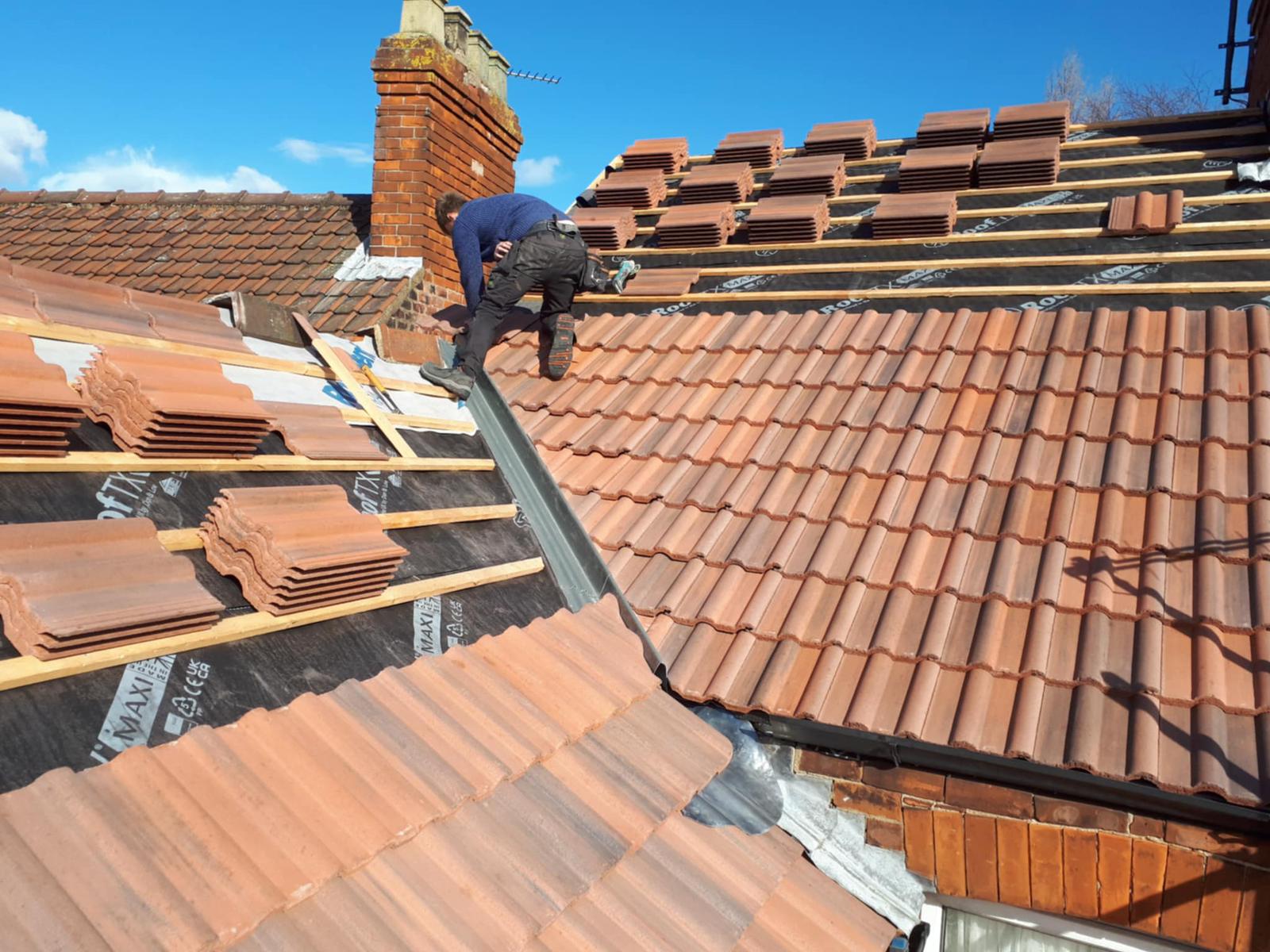
If you are planning a roof replacement on your home or outbuilding in North Lincolnshire, timing is worth thinking about. While a good roofing company can carry out a full replacement at almost any point during the year, some seasons are better than others in terms of weather conditions, material performance, roofer availability, and overall disruption to your property.
At JM Roofing, we carry out full roof replacements across Brigg, Scunthorpe, and North Lincolnshire throughout the year. This guide explains what the different seasons mean for a roof replacement project in this area, so you can plan your job at the right time.
The Best Time of Year to Replace Your Roof in North Lincolnshire
Late Spring and Summer (May to August) — Ideal Conditions
Late spring through to late summer is generally the best time of year to carry out a roof replacement in North Lincolnshire. Here is why.
Weather conditions are most predictable. Longer dry spells mean roofing work can proceed without interruption, the deck can be exposed during the strip-out phase without the immediate risk of rain getting in, and materials can be handled and fitted in optimal conditions.
Longer daylight hours mean more productive days. From May to August, daylight from around 5am to 9pm gives roofing teams significantly more working time per day compared to winter. A job that might take three days in November can often be completed in two days in July.
Materials perform better in warmer conditions. Some roofing materials, including certain adhesives and sealants, perform better when applied in warmer temperatures. Breathable membranes and underlays are easier to handle and fix correctly in dry, moderate conditions.
Scaffolding is less affected by weather. Scaffold erection and dismantling in dry conditions is faster and safer than in wet or icy conditions, which reduces the overall timescale and cost of any scaffolding element.
For homeowners who have the flexibility to plan ahead, booking a roof replacement for late spring or summer is the best approach. Demand for this slot is higher, so contacting a roofer in March or April to schedule summer work makes sense.
Early Autumn (September and October) — Still a Good Window
Early autumn is also a good time for roof replacement work in North Lincolnshire. The weather is generally still workable, with fewer of the extended wet periods that arrive from November onwards. October in particular can offer settled conditions that are well suited to roofing work.
There is an additional benefit to an autumn replacement: getting the job done before winter means your new roof faces its first North Lincolnshire winter in the best possible condition, without the vulnerabilities of an ageing roof that has been left to deteriorate through another cold season.
Demand for roofing work is high in early autumn as homeowners scramble to address problems before winter, so booking early is important if you want to secure a slot in September or October.
Late Autumn and Winter (November to February) — Possible but Challenging
Full roof replacements can be carried out in late autumn and winter but the conditions create additional challenges.
Weather delays are more likely. Heavy rain, high winds, and frost can all halt roofing work and extend the overall timescale of a replacement. In North Lincolnshire, November through to February regularly brings the kind of weather that makes full strip-out and re-roofing work difficult to carry out continuously.
Strip-out phase carries more risk. When an old roof is stripped back to the deck, the structure is temporarily exposed. In summer this is rarely a significant issue. In winter, even a short period of exposure during a rain event can result in water getting into the roof structure, insulation, and ceilings. Good planning and sheeting-over mitigates this risk but it cannot be eliminated entirely.
Shorter daylight hours extend timescales. From November to January, usable daylight in North Lincolnshire is limited to roughly 8 hours. Jobs that would take 2 days in summer may take 3 or more days in winter.
Some materials are affected by cold. Very cold conditions can affect how certain sealants and adhesives cure. Experienced roofing teams work around this but it is a factor worth being aware of.
Winter replacement work is absolutely possible and sometimes necessary — if your roof is failing badly and cannot wait for better conditions, a winter replacement is far better than leaving a deteriorating roof to cause further damage. But if you have the option to plan ahead, late spring to early autumn is preferable.
Early Spring (March and April) — A Mixed Picture
Early spring sits between winter and the ideal summer window. March can still bring cold, wet, and windy conditions across North Lincolnshire, while April is more variable. The improving weather makes spring a reasonable time for roof replacement work, and demand from homeowners is typically lower than in summer, which can mean better availability with roofing companies.
If your roof has deteriorated through winter and you want it addressed as soon as conditions allow, March or April is a reasonable time to arrange the work, accepting that there may be some weather-related delays.
Does Timing Affect the Cost of a Roof Replacement?
Generally speaking, the type of job and the materials specified are the primary drivers of cost rather than the time of year. However, there are some indirect ways that timing can affect overall cost.
Winter delays can extend scaffolding hire periods, which adds cost if scaffolding is included as a separate line item rather than as part of a fixed quote.
Summer demand is higher, which means some roofing companies are busier and may have longer lead times. Booking early gives you the best choice of timing.
Emergency replacements in winter carry a premium because they typically need to be prioritised and resourced immediately, often around adverse weather conditions.
At JM Roofing, we provide clear, fixed written quotes for all roof replacements across Brigg and Scunthorpe. The price you are quoted before work begins is the price you pay.
Should You Wait for Better Weather or Replace Your Roof Now?
This is one of the most common questions we get from homeowners across Brigg and Scunthorpe who are aware their roof needs replacing but are deciding whether to wait for better conditions.
The answer depends on the current condition of your roof. If the roof is failing badly, allowing water into the structure, or poses a safety risk through loose or displaced tiles, waiting is not a good option regardless of the season. The damage caused by continued water ingress during a North Lincolnshire winter will cost more to remedy than the slight inconvenience of a winter roof replacement.
If the roof is ageing but still watertight, and the replacement is planned rather than urgent, there is more flexibility to wait for a better window. In this case, the practical advice is to book now for spring or summer rather than leaving it until the last minute.
Planning Your Roof Replacement in Brigg or Scunthorpe
If you are thinking about a roof replacement in North Lincolnshire, the best first step is a free inspection. This gives you an accurate picture of the current condition of your roof, an honest recommendation on whether replacement is needed now or can be planned for a future date, and a written quote so you know exactly what the job involves and what it will cost.
From there, you can plan the timing around your circumstances and the seasonal advice in this guide.
Book Your Free Roof Replacement Inspection or call us on 07979 811001
You can also read more about our full roof replacement service or browse our projects page to see recent replacements completed across the area.
Frequently Asked Questions
When is the best time to replace a roof in North Lincolnshire?
Late spring through to early autumn, from May to October, is generally the best window for a roof replacement in North Lincolnshire. Longer daylight hours, more predictable weather, and better conditions for materials all make this the preferred period.
Can a roof replacement be done in winter in Brigg?
Yes. JM Roofing carries out roof replacements year round across Brigg and Scunthorpe. Winter replacements carry additional challenges including weather delays and shorter working days, but are absolutely possible and sometimes necessary when a roof is failing.
How far in advance should I book a roof replacement in Scunthorpe?
For a summer replacement, contacting a roofer in March or April to secure a slot is sensible. For autumn work, booking in summer is advisable. The earlier you book, the more flexibility you have over timing.
Does the time of year affect the cost of a roof replacement?
Not significantly in terms of materials and labour. Indirect costs such as extended scaffolding hire due to weather delays can affect overall cost in winter. At JM Roofing, we provide clear fixed quotes so you know what the job will cost before work begins.
Should I wait until spring to replace my failing roof?
If your roof is actively leaking or poses a safety risk, do not wait. The damage caused by continued water ingress through a North Lincolnshire winter will typically cost more to remedy than the inconvenience of a winter replacement. If the roof is ageing but still watertight, waiting for a better weather window is a reasonable option.
How long does a roof replacement take in North Lincolnshire?
A standard domestic roof replacement typically takes 2 to 5 days depending on the size of the roof, the materials, and the weather conditions. JM Roofing will always give you a realistic timescale as part of the free inspection and written quote.
Does JM Roofing carry out roof replacements in Brigg and Scunthorpe?
Yes. We carry out full roof replacements for homes and businesses across Brigg, Scunthorpe, and the wider North Lincolnshire area throughout the year. Get in touch for a free inspection.
What is the first step if I am considering a roof replacement in North Lincolnshire?
Contact JM Roofing for a free, no-obligation inspection. We will assess the current condition of your roof, give you an honest recommendation, and provide a clear written quote so you can plan the work with confidence.