If you have had a roofer mention dry ridge when discussing your roof, or if you have noticed your ridge tiles starting to look loose or cracked, this guide will explain everything you need to know about dry ridge roofing systems and why they have become the preferred modern solution for ridge tile installation across Brigg, Scunthorpe, and North Lincolnshire.
At JM Roofing, dry ridge installation is one of the most common upgrades we carry out alongside roof repairs and full replacements. Homeowners who have had it done consistently tell us it is one of the most sensible investments they have made in their roof.
What Is Dry Ridge Roofing?
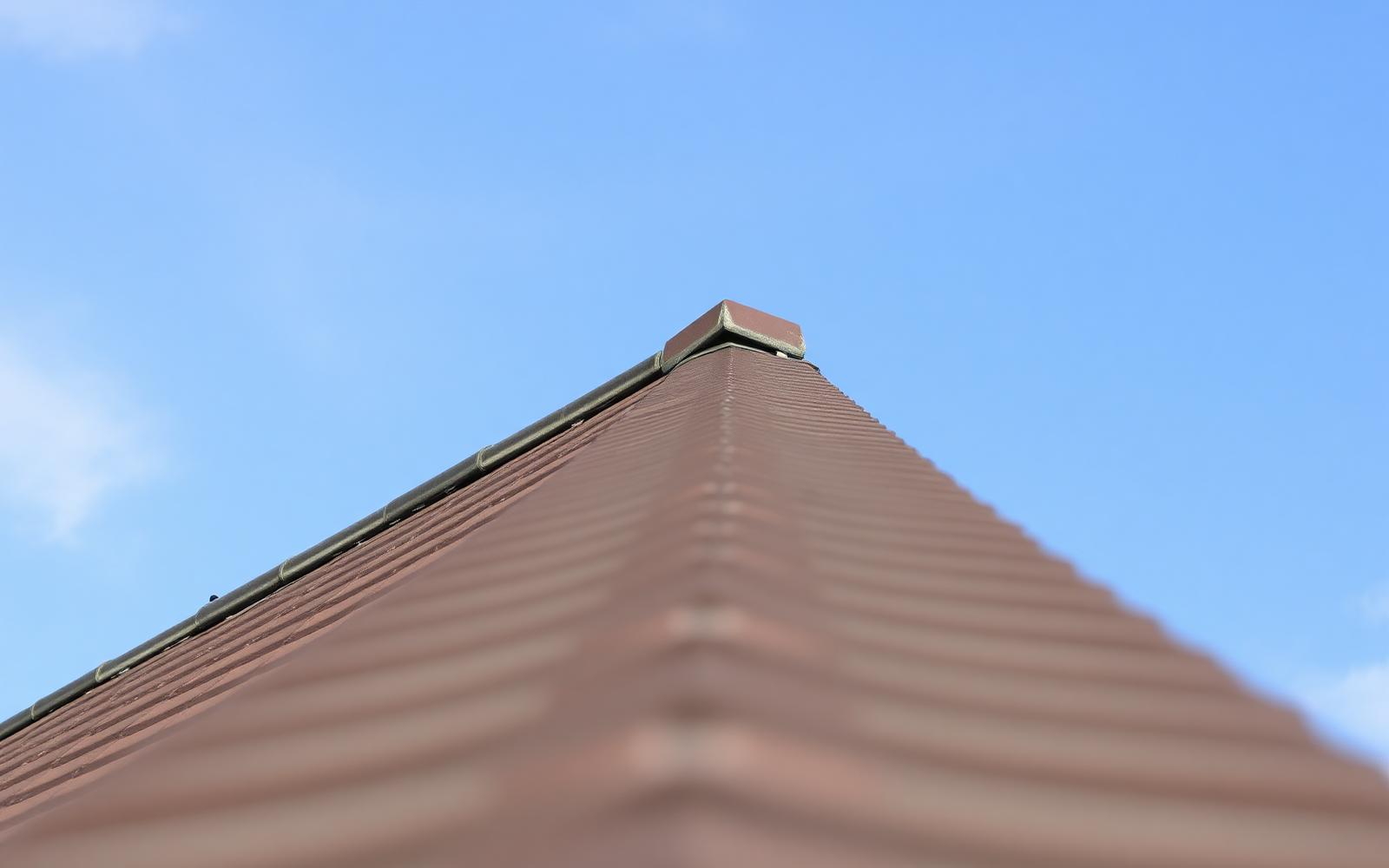
Dry ridge roofing refers to a system of securing ridge tiles at the apex of a pitched roof using mechanical fixings rather than traditional sand and cement mortar. The system typically consists of a base unit that clips to the ridge board, a continuous roll-out underlay or dry fix roll that prevents water and debris from entering beneath the ridge tiles, and caps or clips that lock each ridge tile firmly in position.
The name comes from the fact that no wet mortar is used in the process, hence the term "dry" ridge.
The Problem with Traditional Mortar Bedding
For most of the twentieth century, ridge tiles across Brigg and the wider North Lincolnshire area were bedded and pointed in sand and cement mortar. This was the standard method and it works reasonably well when first installed. The problem is that mortar does not flex.
Roofs move. They expand slightly in warm weather and contract in the cold. In North Lincolnshire, where winters can bring sustained cold spells followed by milder periods, this thermal movement is a constant stress on any rigid material bonded to the roof structure. Over time, mortar cracks, crumbles, and eventually fails, allowing ridge tiles to loosen and in some cases fall from height.
The rate at which mortar fails depends on the quality of the original mix, the age of the installation, and the exposure of the roof. On many properties across Brigg and Scunthorpe, ridge mortar that is 20 years old or more is at or approaching the point of failure.
Signs that your mortar bedding is deteriorating include:
- Visible cracking or gaps in the mortar between ridge tiles
- Ridge tiles that rock slightly when touched
- Mortar debris visible in gutters or on the ground below the roof
- Damp patches appearing inside the property near the ceiling at roof level
Why Dry Ridge Systems Outperform Mortar
Dry ridge systems address the fundamental weakness of mortar bedding by using flexible, mechanically fixed components that move with the roof rather than cracking under the stress of thermal movement.
The key advantages over traditional mortar bedding include:
Durability
A properly installed dry ridge system will outlast multiple mortar re-points. Most manufacturers offer warranties of 15 to 40 years on dry ridge components, compared to mortar bedding that typically needs attention every 10 to 20 years depending on conditions.
Ventilation
Dry ridge systems incorporate a ventilated underlay that allows air to circulate at the ridge line. This improves roof ventilation, which reduces the risk of condensation build-up in the loft space and helps prevent the timber rot and mould that condensation can cause over time.
No Ongoing Mortar Maintenance
Once a dry ridge system is installed, there is no mortar to crack, re-point, or monitor. This eliminates one of the most common recurring maintenance requirements on older properties across Brigg and Scunthorpe.
Safer
Loose mortar-bedded ridge tiles are a genuine safety risk. A ridge tile falling from height can cause serious damage to property and poses a risk to anyone below. Dry ridge tiles are mechanically fixed and cannot become loose in the same way.
Better Appearance
Dry ridge systems give a cleaner, more consistent finish along the ridge line compared to mortar pointing, which can look patchy and uneven as it ages.
When Is Dry Ridge Installation Recommended?
There are several situations where we recommend upgrading to a dry ridge system:
During a Full Roof Replacement
When we carry out a full roof replacement on a property in Brigg or Scunthorpe, we always recommend installing a dry ridge system rather than re-bedding in mortar. The additional cost is modest relative to the overall replacement, and it removes the need for ridge maintenance for the foreseeable future.
When Existing Mortar Has Failed
If your ridge mortar is cracked, crumbling, or allowing tiles to move, replacing the mortar is only a short-term solution. The same thermal movement that caused the first failure will cause the replacement mortar to fail again within a similar timeframe. Installing a dry ridge system at this point is the more durable and cost effective option.
As a Standalone Upgrade
It is also possible to upgrade to dry ridge as a standalone piece of work on an otherwise sound roof. If your roof is in good condition but the ridge mortar is deteriorating, we can remove the old tiles, clean them up, and re-install them using a dry fix system without needing to replace the rest of the roof.
What Does Dry Ridge Installation Involve?
The process of installing a dry ridge system on a property in Brigg or Scunthorpe typically follows these steps:
- Removal of existing ridge tiles, taking care to preserve any that are in good condition for re-use
- Removal of any remaining mortar from the ridge board and the top courses of tiles
- Installation of the dry ridge base units along the ridge board
- Application of the ventilated dry fix underlay roll across the ridge
- Re-installation of ridge tiles using the mechanical fixing system
- Final check to confirm all tiles are secure and the system is correctly sealed at the ends
The work can usually be carried out in a single day on a standard domestic roof, though larger or more complex roofs may take longer. We always carry out a free inspection before quoting so there are no surprises once work begins.
Dry Ridge and Recent Work at JM Roofing
We recently completed a dry ridge installation alongside a tile repair for a customer in North Lincolnshire. In the review they left us, they noted that Josh insisted on inspecting the roof before providing a price, wasted no time in sorting the dry ridge and tiles, and completed additional work as it was identified on site. That approach is how we work on every job across Brigg and Scunthorpe.
You can read more of our customer reviews on our reviews page or see examples of completed projects on our projects page.
Get a Free Dry Ridge Roofing Quote in Brigg or Scunthorpe
If your ridge tiles are showing signs of mortar failure, or if you are having a new roof installed and want to upgrade to a dry ridge system, get in touch with JM Roofing for a free inspection and written quote. We cover Brigg, Scunthorpe, and the wider North Lincolnshire area.
Book Your Free Inspection or call us on 07979 811001
Frequently Asked Questions
What is a dry ridge roofing system?
A dry ridge system secures ridge tiles at the top of a pitched roof using mechanical fixings rather than sand and cement mortar. It is more durable, better ventilated, and requires significantly less maintenance than traditional mortar bedding.
How long does a dry ridge system last in North Lincolnshire?
Most dry ridge systems carry manufacturer warranties of between 15 and 40 years. This significantly outlasts traditional mortar bedding, which typically needs attention every 10 to 20 years depending on conditions.
How do I know if my ridge mortar needs replacing in Brigg?
Signs include visible cracking or gaps in the mortar, ridge tiles that move when touched, mortar debris in gutters or on the ground below, and damp patches appearing inside the property near the top of the ceiling.
Is a dry ridge system better than repointing ridge tiles?
In most cases yes. Repointing replaces like for like and the same thermal movement that caused the mortar to fail originally will cause the new mortar to fail again over a similar period. A dry ridge system addresses the root cause by removing the reliance on mortar entirely.
How much does dry ridge installation cost in Brigg?
The cost depends on the length of the ridge, the number of tiles, and the condition of the existing ridge board and tiles. JM Roofing provides free inspections and clear written quotes so you know exactly what is involved before committing to anything.
Can dry ridge be installed without replacing the whole roof?
Yes. Dry ridge can be installed as a standalone upgrade on an otherwise sound roof. We remove the existing ridge tiles, clean them up, and re-install them using a dry fix system without replacing the rest of the roof covering.
Does JM Roofing install dry ridge systems in Scunthorpe?
Yes. We install dry ridge systems as part of our roof repair and replacement services across Scunthorpe, Brigg, and the wider North Lincolnshire area.
Does a dry ridge system improve roof ventilation?
Yes. Most dry ridge systems incorporate a ventilated underlay that allows air to circulate at the ridge line. This improves overall roof ventilation, which helps reduce condensation and the timber rot and mould it can cause over time.