One of the most common questions we get from homeowners across Brigg and Scunthorpe is how long a roof is expected to last. It is a straightforward question with a surprisingly varied answer, because roof lifespan depends on the type of material used, the quality of the original installation, how well the roof has been maintained over the years, and the specific weather conditions it has been exposed to.
In North Lincolnshire, roofs deal with a combination of heavy rainfall, strong winds, and cold winters that can accelerate wear on certain materials. Understanding how long your roof type should last, and what shortens or extends that lifespan, helps you make better decisions about when to repair, when to plan for replacement, and when to call a roofer in for an inspection.
This guide covers the most common roof types found on homes across Brigg and Scunthorpe, how long each one should realistically last, and what to watch for as your roof ages.
How Long Does a Concrete Tile Roof Last?
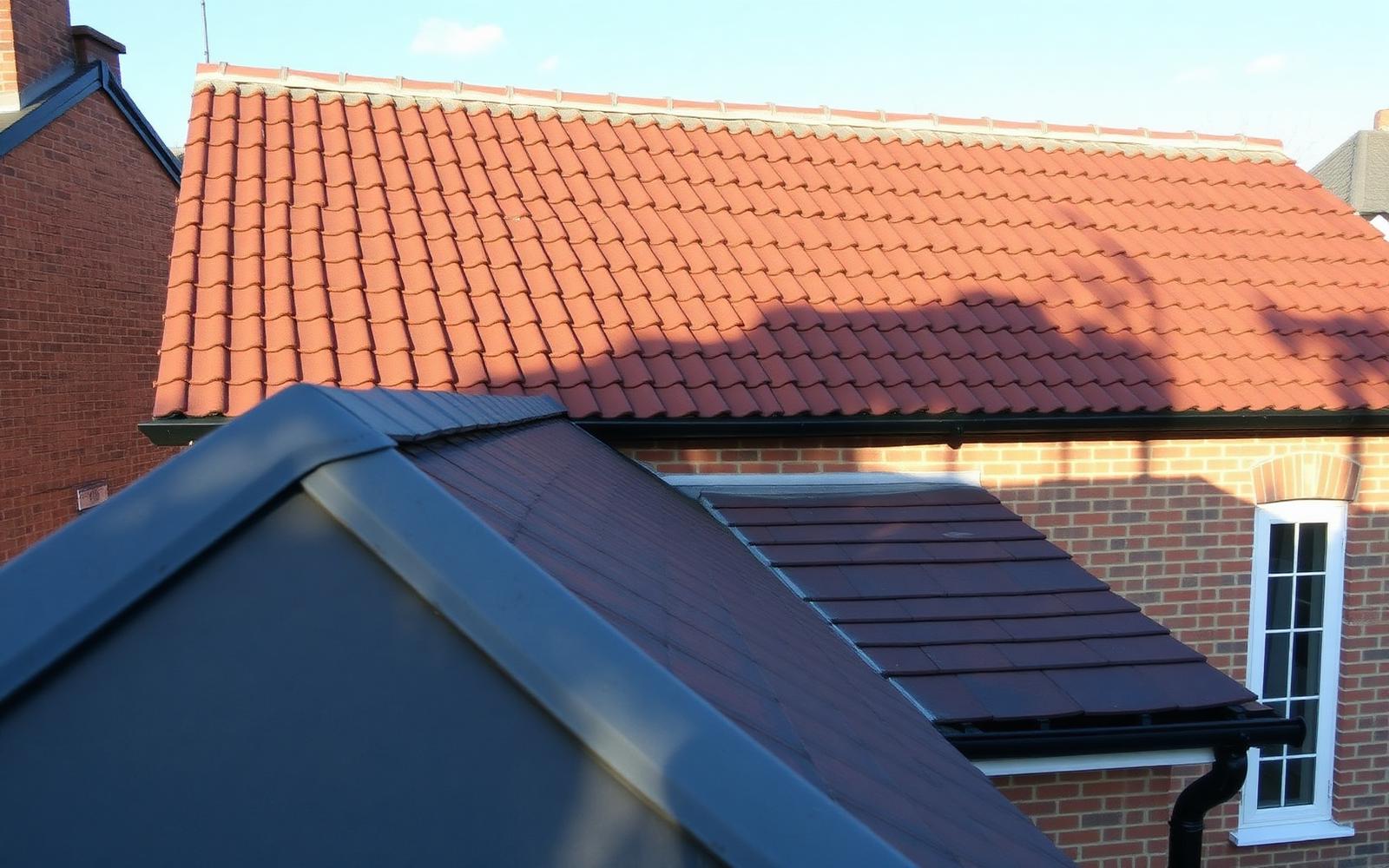
Concrete tiles are the most widely used roofing material on homes across Brigg, Scunthorpe, and the wider North Lincolnshire area. They are durable, widely available, and offer a good balance of cost and longevity.
A well-installed concrete tile roof typically lasts between 30 and 50 years. However, this assumes the tiles were laid on a good quality felt underlay, the ridge and valley work was done properly, and the roof has received occasional maintenance over the years.
Common issues that shorten the lifespan of a concrete tile roof include:
- Ridge tiles that were bedded in sand and cement mortar, which cracks and fails over time as the roof moves with temperature changes. A dry ridge system is a far more durable modern alternative.
- Cracked or slipped tiles that are left unrepaired, allowing water to get under the remaining tiles and into the felt.
- Failed lead flashing around chimneys and dormer walls, which is often the first area to show signs of deterioration on an older roof.
- Blocked gutters causing water to back up and sit against the roof edge.
If your concrete tile roof is approaching 30 years old, a professional inspection is a sensible step to assess its condition before issues develop.
How Long Does a Clay Tile Roof Last?
Clay tiles are less common than concrete on modern homes, but they are found on many older properties across Brigg and North Lincolnshire. The tiles themselves can last considerably longer than concrete, with a lifespan of 60 to 100 years in some cases.
The limitation with clay tile roofs is not usually the tiles themselves but the supporting materials underneath. The felt underlay, battens, and fixings all have a shorter lifespan than the tiles, which means older clay tile roofs often need a full strip and relay even when the tiles are still in good condition.
Clay tiles are also more brittle than concrete, which means walking on them carelessly or leaving overhanging branches to rub against the surface can cause breakages that lead to leaks.
How Long Does a Slate Roof Last?
Natural slate is one of the most durable roofing materials available. A high quality slate roof installed properly can last between 80 and 100 years, and some Victorian properties across North Lincolnshire have original slate roofs that are still performing well today.
As with clay tiles, the main issue with ageing slate roofs tends to be the supporting materials rather than the slates themselves. Nails and fixings corrode over time, causing slates to slip and slide out of position. When this starts happening across multiple areas of the roof, it is often a sign that a full re-roof is more cost effective than individual repairs.
Reclaimed or re-used slates are also commonly used on heritage properties and conservation areas, and JM Roofing has experience sourcing appropriate materials for older homes in and around Brigg.
How Long Does a Felt Flat Roof Last?
Traditional felt flat roofs have a significantly shorter lifespan than pitched tile or slate roofs. A standard felt flat roof typically lasts between 10 and 15 years, depending on the quality of the installation and the conditions it is exposed to.
Felt roofing relies on overlapping layers bonded together, and over time these layers can crack, blister, and separate. Once the felt starts to fail, leaks can develop quickly, particularly on garages, extensions, and porches that often go unnoticed until water has already caused internal damage.
If your felt flat roof is approaching or past 10 years old, it is worth having it inspected. In most cases we recommend replacing an ageing felt roof with an EPDM rubber membrane, which dramatically extends the lifespan of the roof to 40 years or more.
How Long Does an EPDM Rubber Flat Roof Last?
EPDM rubber roofing is the modern alternative to felt for flat roofs and is one of the most durable options available. A properly installed EPDM rubber flat roof can last 40 years or more, making it one of the longest lasting flat roofing solutions on the market.
Unlike felt, EPDM is installed as a single seamless membrane with no overlapping joints across the main roof area. This removes the primary failure points of felt roofing and makes it far more resistant to leaks over time. It also handles the temperature extremes and wet weather conditions common across Brigg and Scunthorpe without cracking or deteriorating.
What Shortens a Roof's Lifespan?
Regardless of the material, several factors consistently reduce how long a roof lasts:
Poor Original Installation
A roof that was not installed properly will deteriorate faster than one that was done right from the start. Common installation issues include inadequate ventilation, incorrect tile fixing, poorly bedded ridge tiles, and substandard flashing work. This is why choosing a roofer who inspects the roof before quoting and takes the time to do the job properly is so important.
Lack of Maintenance
Roofs that receive occasional inspection and attention will consistently outlast those that are completely ignored. Small issues like a cracked tile or a slightly lifted piece of flashing are cheap and simple to fix when caught early. Left alone, the same issues can lead to water ingress that causes thousands of pounds of damage to timbers, insulation, and ceilings.
North Lincolnshire Weather
The combination of heavy rainfall, strong winds off the Humber estuary, and cold winters puts genuine stress on roofing materials over time. Ridge tiles bedded in old mortar, ageing felt flat roofs, and deteriorated flashing are all particularly vulnerable to the kind of weather conditions that Brigg and Scunthorpe regularly experience.
Overhanging Trees
Branches that overhang a roof deposit debris into gutters, rub against tiles in the wind, and can cause direct damage in storms. If you have large trees close to your property, keeping them trimmed back is one of the simplest ways to extend the life of your roof.
When Should You Start Planning for a Roof Replacement?
A common mistake homeowners make is waiting until there is a visible leak before thinking about their roof. By that point, the underlying structure has often already been affected by water, and what could have been a straightforward replacement becomes a more complex and expensive job.
A better approach is to be proactive. If your roof is approaching the end of its expected lifespan based on the information above, or if you have started noticing signs of wear such as cracked tiles, loose ridge work, or damp patches appearing inside, it is worth getting a professional inspection to understand the current condition and plan accordingly.
JM Roofing provides free roof inspections across Brigg, Scunthorpe, and North Lincolnshire. We will give you an honest assessment of your roof's condition and a clear recommendation, whether that is monitoring and maintenance, targeted repairs, or a full roof replacement.
Book a Free Roof Inspection in Brigg or Scunthorpe
If your roof is ageing or you simply want to know where it stands, get in touch with JM Roofing today. We cover Brigg, Scunthorpe, and the wider North Lincolnshire area and provide free no-obligation inspections for all roof types.
Book Your Free Inspection or call us on 07979 811001
You can also read more about our roof repair and roof replacement services, or see examples of our recent work on our projects page.
Frequently Asked Questions
How long does a roof last in the UK?
The lifespan of a roof in the UK depends on the material. Concrete tile roofs typically last 30 to 50 years, clay tiles 60 to 100 years, natural slate up to 100 years, felt flat roofs 10 to 15 years, and EPDM rubber flat roofs 40 years or more.
How do I know if my roof needs replacing in Brigg?
Signs that your roof may need replacing include widespread cracked or slipped tiles, a sagging roofline, repeated leaks in different areas, or a roof that is approaching or past its expected lifespan. A free inspection from JM Roofing will give you a clear, honest answer.
Does the North Lincolnshire weather affect how long a roof lasts?
Yes. The combination of heavy rainfall, strong winds, and cold winters in North Lincolnshire puts genuine stress on roofing materials over time, particularly older felt flat roofs and mortar-bedded ridge tiles that have not been upgraded to a dry ridge system.
How long does a flat roof last in Brigg?
A traditional felt flat roof typically lasts 10 to 15 years. An EPDM rubber flat roof, which JM Roofing installs across Brigg and Scunthorpe, can last 40 years or more with minimal maintenance.
Is it worth repairing an old roof or should I replace it?
If the roof is approaching the end of its expected lifespan and issues are appearing in multiple areas, a full replacement is usually better value than ongoing repairs. If the roof is younger and damage is isolated, a targeted repair is normally sufficient. A free inspection will help clarify which option makes sense for your property.
How often should I have my roof inspected in Scunthorpe?
We recommend a professional roof inspection every 3 to 5 years as a minimum, or after any significant storm. JM Roofing provides free inspections across Scunthorpe and Brigg so there is no cost to getting a professional opinion.
What is a dry ridge system and does it last longer than mortar?
A dry ridge system uses mechanical fixings rather than sand and cement mortar to secure ridge tiles. It is significantly more durable than traditional mortar bedding, which cracks and fails over time as the roof moves with temperature changes. A dry ridge system is the modern standard for ridge tile installation.
Does JM Roofing offer free roof inspections in Brigg and Scunthorpe?
Yes. We provide free, no-obligation roof inspections for all property types across Brigg, Scunthorpe, and North Lincolnshire. Get in touch to book yours.