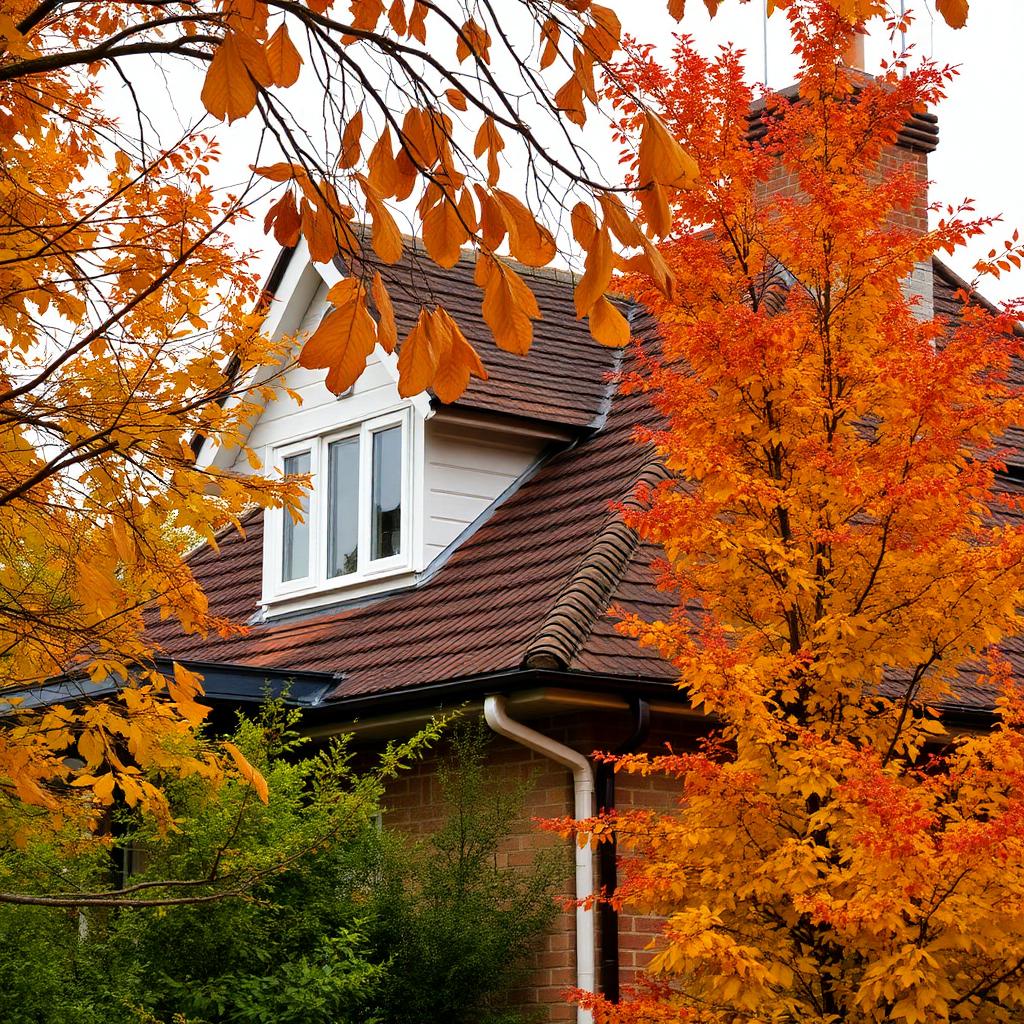
Summer might still be here, but autumn arrives quickly in North Lincolnshire. With it comes heavier rainfall, stronger winds, and the kind of weather that exposes any weakness in your roof before you have had a chance to do anything about it.
The good news is that getting your roof ready for autumn does not require expensive work in most cases. A straightforward inspection and a few targeted repairs carried out now can save you significant stress and cost when the weather turns. At JM Roofing, we see a sharp rise in emergency call-outs every autumn from homeowners across Brigg and Scunthorpe who wish they had checked their roof a few months earlier.
This guide walks you through what to look for and what to prioritise before the season changes.
Why Autumn Is the Most Important Season for Your Roof
Autumn brings a combination of conditions that roofs in North Lincolnshire have to handle: heavy and sustained rainfall, strong winds that can dislodge tiles and debris, falling leaves that block gutters, and the beginning of the freeze and thaw cycle that puts stress on pointing, flashing, and older tiles.
Any weakness that existed through the drier summer months, such as a cracked tile, a slightly lifted piece of flashing, or a gutter running slightly off-fall, becomes a real problem once the volume of water increases. Getting ahead of this is almost always cheaper than dealing with the consequences in November.
Step 1: Check Your Roof from the Ground
You do not need to get on your roof to do an initial visual check. From the ground, using binoculars if needed, look for the following:
- Missing or displaced tiles: Any gaps in the tile coverage are a priority. Even one missing tile exposes the felt underneath.
- Cracked or broken tiles: Tiles that are cracked but still in place can let water in under certain conditions and should be replaced.
- Sagging sections: Any dips or unevenness in the roofline could indicate a structural issue underneath.
- Visible moss or lichen growth: Heavy moss holds moisture against the roof surface, accelerating tile deterioration and increasing the risk of leaks.
- Flashing around chimneys and dormers: Look for visible gaps, lifting, or separation from the surrounding surface.
If you spot anything that concerns you, the next step is a proper inspection from a qualified roofer rather than attempting to investigate further yourself.
Step 2: Check Your Loft Space
Your loft is one of the best places to spot early signs of roof problems before they become visible inside the living areas of your home. On a dry day, go into your loft space and look for the following:
- Daylight coming through the roof: Any visible light means there is a gap that water can also get through.
- Damp patches or staining on the timbers: Old stains may indicate a previous leak that was never fully addressed. Fresh damp means there is an active problem.
- Sagging or damaged felt: The roofing felt is the secondary line of defence under your tiles. If it is visibly sagging, torn, or damp, it needs attention.
- Smell of mould or dampness: Even without visible signs, a persistent damp smell in the loft is worth investigating.
Catching any of these issues now, before autumn rain begins in earnest, gives you time to arrange repairs without urgency.
Step 3: Clear and Check Your Gutters
Gutters are the part of the roof system that most homeowners overlook until they are visibly overflowing. In autumn, falling leaves and debris can block gutters very quickly, and a blocked gutter causes water to back up and overflow in ways that can damage your fascia boards, external walls, and even the roof edge itself.
Before autumn arrives, clear your gutters of any accumulated debris from summer. Check that:
- Water flows freely toward the downpipe with no pooling
- Joints between gutter sections are sealed and not leaking
- Gutters are properly secured to the fascia boards with no sagging sections
- Downpipes are clear and water is being directed away from the building
If your fascia boards are soft, cracked, or showing signs of rot, they should be replaced before the guttering is re-secured. Rotted fascias are a common finding on properties across Brigg and Scunthorpe that have not had recent roofing work.
Step 4: Inspect Lead Flashing and Pointing
Flashing and chimney pointing are two of the most common sources of autumn leaks across North Lincolnshire properties. The mortar used in chimney pointing and the seal around lead flashing both deteriorate over time, particularly on older homes, and the freeze and thaw cycle of autumn and winter accelerates this process significantly.
Look for visible cracking or gaps in the mortar at the base of your chimney, and check that the lead flashing is lying flat and sealed against the surrounding surfaces. Any movement or lifting should be addressed before the rain arrives.
Step 5: Book a Professional Inspection
Ground-level checks and a loft inspection will give you a reasonable picture of your roof's condition, but there is no substitute for a proper inspection by an experienced roofer who can get up close and assess the roof systematically.
At JM Roofing, our free inspections cover everything from tile condition and flashing integrity to gutter drainage and structural checks. We cover Brigg, Scunthorpe, and the wider North Lincolnshire area, and we will always give you an honest assessment of what your roof needs before we quote for anything.
If repairs are needed, booking now rather than waiting until the first leak appears means you can get the work done in better weather and without the wait times that come with the autumn rush.
What Happens If You Leave It
We see the consequences of deferred roof maintenance every autumn across Brigg and Scunthorpe. A tile that could have been replaced for a modest sum leads to water getting into the felt. The felt, which was already ageing, fails in that area. Water runs along the timbers and drips through into the bedroom ceiling. What started as a single tile repair becomes a timber repair, a felt replacement, and several weeks of disruption.
Getting ahead of this with an inspection now is the single most cost-effective thing you can do for your roof before autumn.
Book Your Pre-Autumn Roof Inspection in Brigg or Scunthorpe
JM Roofing provides free, no-obligation roof inspections across Brigg, Scunthorpe, and North Lincolnshire. Get in touch now to book yours before the autumn rush begins.
Book Your Free Inspection or call us on 07979 811001
You can also read more about our roof repair and full roof replacement services, or see examples of our recent work on our projects page.
Frequently Asked Questions
When should I get my roof checked before autumn in North Lincolnshire?
Ideally, book a roof inspection in July or August so any repairs can be carried out in dry summer weather before the autumn rain arrives. This avoids the rush and gives you peace of mind going into the wetter months.
How do I check my roof for damage without getting on it?
Use binoculars to inspect from the ground, looking for missing tiles, cracked tiles, sagging sections, and lifting flashing around chimneys. Also check your loft space for daylight, damp staining, or a musty smell.
How often should gutters be cleared in North Lincolnshire?
At least twice a year, once in late autumn after the leaves have fallen, and once in spring. Properties with overhanging trees may need more frequent clearing.
What is the most common cause of roof leaks in autumn?
The most common causes are missing or cracked tiles, failed lead flashing around chimneys and dormer walls, and blocked gutters causing water to overflow and back up under the roof edge.
Can moss on my roof cause damage?
Yes. Heavy moss growth holds moisture against the roof surface, accelerating the deterioration of tiles and increasing the risk of leaks. It can also add significant weight to older roofs and block gutters when it washes down.
Do JM Roofing carry out roof inspections in Scunthorpe?
Yes, we carry out free roof inspections across Scunthorpe, Brigg, and the wider North Lincolnshire area ahead of autumn and throughout the year.
How much does a pre-autumn roof inspection cost?
JM Roofing provides free, no-obligation inspections across Brigg and Scunthorpe. There is no charge for the inspection, and no obligation to proceed with any work.
What repairs are most commonly needed before autumn?
The most common pre-autumn repairs we carry out across North Lincolnshire include replacing cracked or missing tiles, re-bedding ridge tiles, re-pointing chimney stacks, repairing lead flashing, and clearing and re-securing gutters.