When it comes to replacing a roof or specifying a new one, the choice of material is one of the most significant decisions a homeowner can make. Get it right and you have a roof that performs beautifully for decades. Get it wrong and you face premature deterioration, increased maintenance costs, and a roof that does not suit the property it is supposed to protect.
Across Brigg, Scunthorpe, and North Lincolnshire, the two most common pitched roofing materials are concrete tiles and slate. Both have genuine advantages and both have limitations. The right choice depends on your property type, your budget, your long-term plans, and the aesthetic you want to achieve.
At JM Roofing, we install both concrete tiles and natural and fibre slates across North Lincolnshire. This guide gives you an honest comparison so you can make an informed decision before committing to either.
Concrete Roof Tiles
Concrete tiles are the most widely used roofing material on domestic properties across Brigg and Scunthorpe. They have been the standard choice for most new builds and replacements throughout the latter half of the twentieth century and remain a popular option today.
How Long Do Concrete Tiles Last?
A well-installed concrete tile roof typically lasts between 30 and 50 years, depending on the quality of the tiles, the installation, and how well the roof has been maintained. In North Lincolnshire, the combination of heavy rainfall and occasional cold snaps can affect older concrete tiles that have become porous over time.
Advantages of Concrete Tiles
Concrete tiles are widely available and competitively priced, making them the most affordable option for a standard pitched roof replacement. They are consistent in size and profile, which makes them straightforward to source and replace individually if tiles are damaged. They also come in a wide range of profiles and colours, which means they can be matched to most existing roof styles across North Lincolnshire.
Concrete tiles are heavier than fibre slates or natural slate, which gives them good wind resistance once properly fixed. They are also low maintenance when in good condition, requiring only occasional inspection and cleaning.
Disadvantages of Concrete Tiles
Over time, concrete tiles can become porous and absorb moisture, leading to frost damage in cold conditions. They are also heavier than slate, which means the roof structure needs to be capable of bearing the load. Colour can fade over time on older concrete tiles, and the surface can become prone to moss and lichen growth which holds moisture and accelerates wear.
Concrete tiles are not always appropriate for older or period properties where a more traditional material is more sympathetic to the building's character.
Natural Slate
Natural slate is the premium roofing material and has been used on properties across the UK for centuries. Many of the older properties in North Lincolnshire were originally roofed in natural slate, and a well-installed slate roof can outlast the building it sits on.
How Long Does Natural Slate Last?
Natural slate has one of the longest lifespans of any roofing material available, typically lasting between 80 and 100 years when properly installed. Some original Victorian slate roofs across North Lincolnshire are still performing well today, which speaks to the exceptional durability of the material.
Advantages of Natural Slate
The lifespan of natural slate is its most significant advantage. Installed correctly, it is a genuine once-in-a-generation investment. Natural slate also has an excellent aesthetic quality that concrete tiles cannot replicate, which makes it the preferred choice for period properties, heritage buildings, and high-end new builds.
Natural slate is also a naturally occurring material with low environmental impact over its lifetime, and individual slates can be replaced without difficulty if damaged.
Disadvantages of Natural Slate
The main limitation of natural slate is cost. Both the material and the installation require more specialist skill, which means a natural slate roof will cost significantly more than an equivalent concrete tile roof. Natural slate also requires careful handling during installation, as individual slates can crack if walked on or struck.
For properties that do not benefit aesthetically from natural slate, or where budget is the primary consideration, the premium may not be justified.
Fibre Slate: The Middle Ground
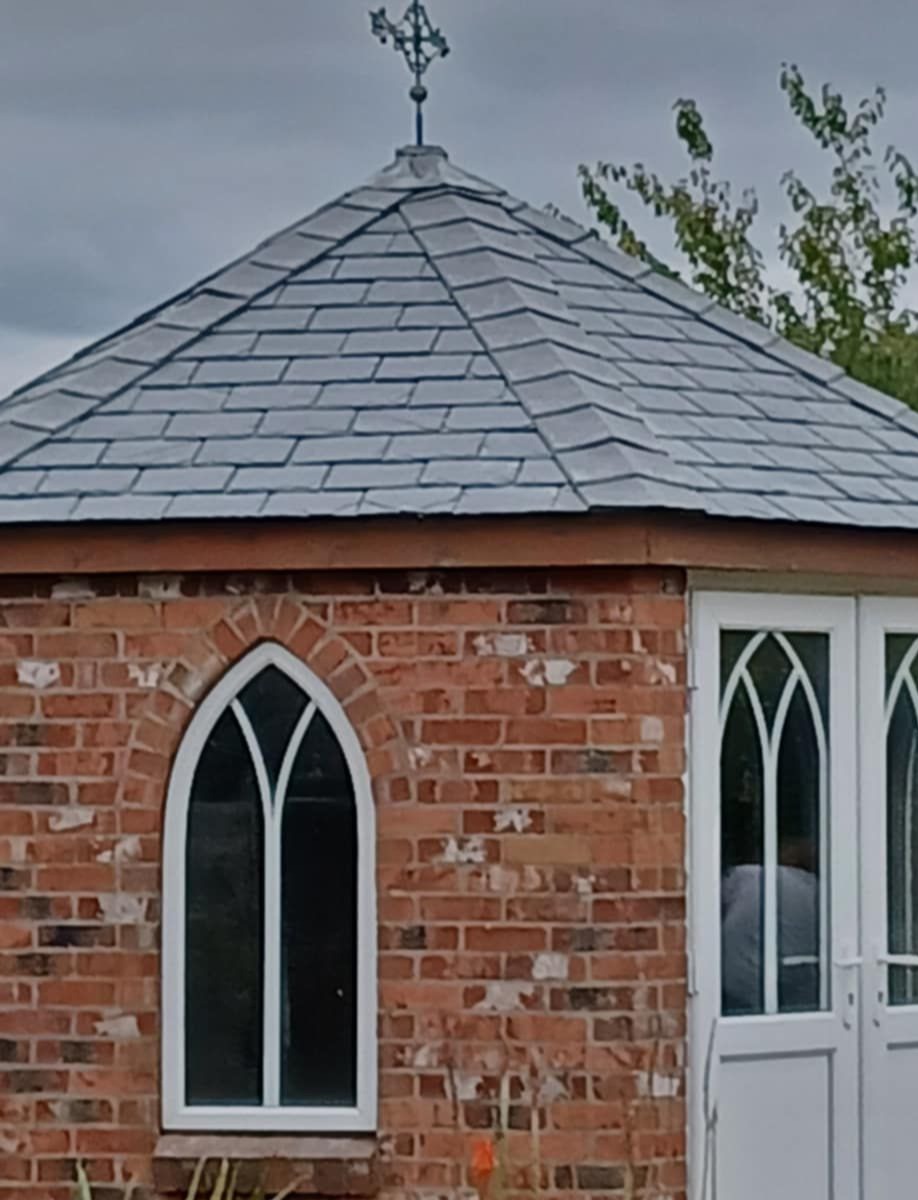
Fibre cement slates, such as the Thrutone slates we recently installed on an oak frame double carport in North Lincolnshire, offer an excellent middle ground between the affordability of concrete tiles and the aesthetics of natural slate.
How Long Does Fibre Slate Last?
Quality fibre slates typically last between 40 and 50 years, significantly longer than concrete tiles and at a fraction of the cost of natural slate.
Advantages of Fibre Slate
Fibre slates give the appearance of natural slate at a considerably lower price point. They are lighter than both concrete tiles and natural slate, which reduces the load on the roof structure. They are also consistent in size and quality, which makes installation more straightforward and reduces waste.
Fibre slates perform very well in the wet and windy conditions common across North Lincolnshire, and they do not suffer from the porosity issues that affect older concrete tiles.
Disadvantages of Fibre Slate
Fibre slates do not have the same natural character as genuine slate, and some homeowners on period properties prefer the authentic appearance of the real material. Availability of matching tiles can also be a consideration if individual replacements are needed years down the line.
Which Is Right for Your Property in North Lincolnshire?
The right choice depends on several factors specific to your property and situation.
Choose Concrete Tiles If:
- You have a standard domestic property and want a reliable, cost-effective replacement
- Your existing roof is concrete tiled and you want a like-for-like replacement
- Budget is the primary consideration
- The aesthetic of natural or fibre slate does not suit the property style
Choose Fibre Slate If:
- You want the look of slate without the full cost of natural slate
- You are roofing a new build, outbuilding, or oak frame structure
- You want a longer lifespan than concrete tiles without the premium of natural slate
- The property would benefit aesthetically from a slate-style finish
Choose Natural Slate If:
- You have a period or heritage property where natural slate is most sympathetic
- You are planning a long-term investment and want the longest possible lifespan
- Planning permission or conservation area requirements specify natural materials
- Budget is not the primary constraint
What We Recommend at JM Roofing
At JM Roofing, our recommendation always starts with a free inspection and an honest conversation about what suits your specific property and budget. We install concrete tiles, fibre slates, and natural slate across Brigg, Scunthorpe, and North Lincolnshire, and we will always give you a clear picture of the options before you commit to anything.
You can see examples of our recent roofing work, including a Thrutone fibre slate installation on an oak frame structure, on our projects page.
Frequently Asked Questions
What is the difference between slate and concrete roof tiles?
Slate is a natural or fibre-based material with a longer lifespan and a premium aesthetic. Concrete tiles are more affordable and widely available but have a shorter lifespan and less traditional appearance. Both are commonly used on properties across North Lincolnshire.
How long do concrete roof tiles last in North Lincolnshire?
Concrete roof tiles typically last 30 to 50 years depending on quality, installation, and maintenance. The weather conditions in North Lincolnshire, including heavy rainfall and occasional frost, can affect older porous concrete tiles.
Is slate better than concrete tiles for roofing?
Slate offers a longer lifespan and a premium appearance, but at a higher cost. Concrete tiles are more affordable and suitable for most standard domestic properties. Fibre slates offer a middle ground that suits many properties across Brigg and Scunthorpe.
What are Thrutone fibre slates?
Thrutone is a brand of fibre cement slate that offers the appearance of natural slate with a lifespan of 40 to 50 years. JM Roofing recently installed Thrutone fibre slates on an oak frame double carport in North Lincolnshire.
Which roofing material is best for older properties in Brigg?
For period or older properties in Brigg and North Lincolnshire, natural slate or fibre slate is often more sympathetic to the building's character than concrete tiles. The best choice depends on the specific property and any planning or conservation requirements.
How much does a slate roof cost compared to concrete tiles in Scunthorpe?
Natural slate is significantly more expensive than concrete tiles in both materials and installation. Fibre slates fall in between. JM Roofing provides free inspections and clear quotes for all roofing materials across Scunthorpe and Brigg.
Does JM Roofing install both slate and concrete tile roofs in North Lincolnshire?
Yes. We install concrete tiles, fibre slates, and natural slate across Brigg, Scunthorpe, and the wider North Lincolnshire area. Get in touch for a free inspection and honest recommendation for your property.
How do I know which roofing material is right for my home in Brigg?
The right material depends on your property type, budget, and long-term plans. A free inspection from JM Roofing will give you an honest assessment and a clear recommendation before you commit to anything.